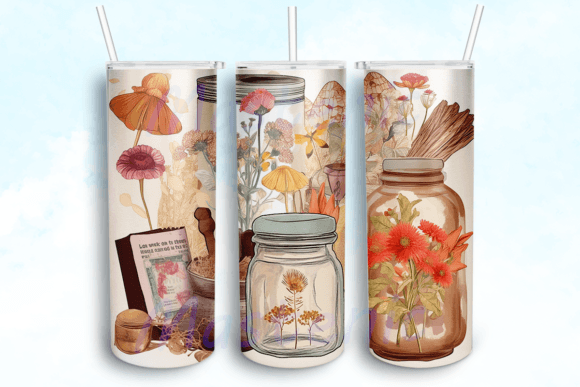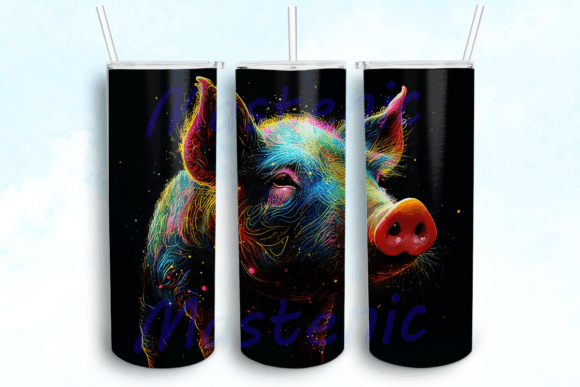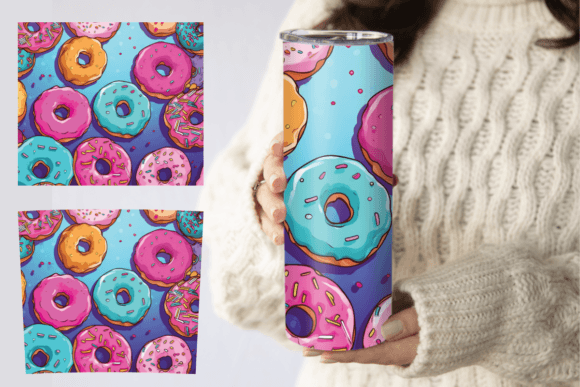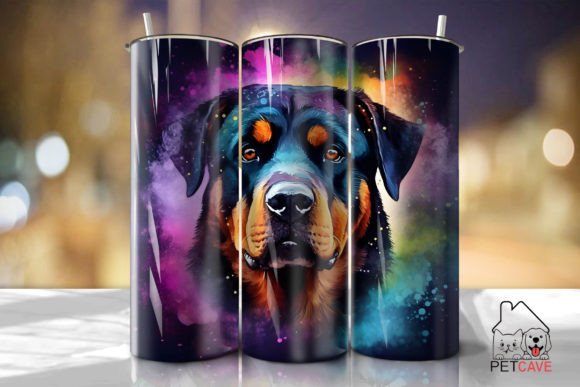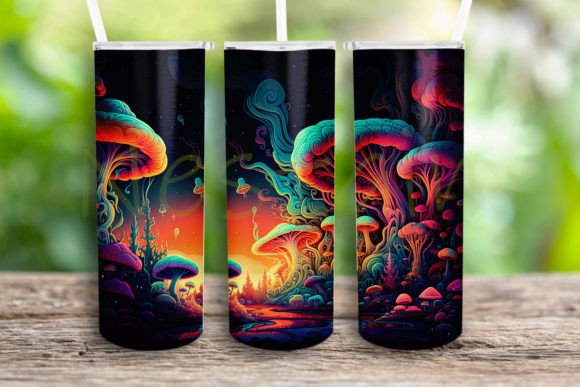
Trippy Mushrooms 20oz Skinny Tumbler
A Designer’s First Glance: Whimsy with Purpose
When I opened the Trippy Mushrooms 20oz Skinny Tumbler files, my eye went straight to the rhythm—not just the shapes, but how the stems curve, how the caps tilt, and how the negative space breathes between them. This isn’t a cluttered “more is more” graphic; it’s a balanced, intentional composition that leans into psychedelic charm without sacrificing legibility or stitchability. As someone who’s digitized hundreds of embroidery files for clients—from boutique baby onesies to Etsy-apron collections—I immediately sensed this design would translate well to fabric. It feels like a hand-drawn sketch refined for machine execution: organic enough to feel handmade, clean enough to hold up in satin stitch.
Where It Shines: Real Projects, Real Customers
Last week, I prepped a small batch of custom embroidered tote bags for a local herbal apothecary’s spring launch. I tested Trippy Mushrooms 20oz Skinny Tumbler on a medium-weight canvas tote—centered above the pocket, scaled to 7.5 inches wide. The result? Instant conversation starter. Customers loved the playful yet grounded vibe—it felt fresh next to their sage bundles and ceramic mugs, not kitschy or out of place. That same energy carries over to sweatshirt embroidery (especially on heather grey or oatmeal fleece), tea towels (where the tapered PNG helped wrap gently around the folded edge), and even baby embroidery on organic cotton swaddles—softened with light fill stitch and minimal density.
For Etsy sellers and craft fair vendors, this design works especially well as part of a cohesive seasonal collection—think mushroom-themed holiday embroidery for kitchen towels or nursery decor. It also holds up beautifully in printable mockups: the 300 DPI resolution means crisp digital previews for your listings, and the inclusion of both straight and tapered PNGs gives you flexibility whether you’re prepping a flat patch layout or wrapping a curved surface like a tumbler sleeve.
Where to Pause—and Why
Trippy Mushrooms 20oz Skinny Tumbler isn’t built for micro-detail work. Those delicate gills and fine cap striations? They’ll blur on thin fabrics like voile or lightweight rayon unless you adjust stitch type and density manually. On stretchy knits (think baby bodysuits or lounge tees), I’d recommend using tear-away + cutaway stabilizer combo and reducing fill stitch density by 15–20% to avoid puckering. And while the design reads clearly on light backgrounds, test it on dark fabric with contrasting thread—some of the inner cap highlights may need slight manual tweaking in your embroidery software to retain definition.
It’s also not ideal for tiny hoop applications under 4x4 inches without significant scaling down—and even then, you’ll lose some of the visual personality. For caps or curved surfaces, lean into the tapered PNG file first, but always do a physical test sew before committing to a full run. Small shop owners know: one misfire on a batch of embroidered patches can cost time, thread, and trust.
What It Adds to Your Finished Product
This isn’t just decoration—it’s subtle brand elevation. When used thoughtfully, Trippy Mushrooms 20oz Skinny Tumbler boosts perceived value without shouting. Handmade product buyers respond to designs that feel intentional and curated, not mass-produced. I’ve seen customers pause mid-browse at craft fairs to touch the stitch texture on a mushroom-embroidered apron—then ask about sourcing. That tactile engagement starts with smart design choice.
It also supports consistency across your craft business: use it on a pillow cover, then echo it in a matching tea towel set or a digital embroidery file bundle for fellow makers. That kind of cross-product harmony builds recognition—and repeat buyers. Just remember: if you’re selling finished items commercially, confirm the license permits resale of physical products. Since this listing specifies it’s a PNG Digit (not a pre-digitized embroidery file), you’ll need to digitize it yourself—or hire a digitizer—before stitching. That step matters for quality control, especially with curved stems and layered caps.
Practical Notes from the Hoop
- Always test first: Run Trippy Mushrooms 20oz Skinny Tumbler on scrap fabric matching your final project’s weight and stretch.
- Check contrast early: View your thread colors against both light and dark fabric backgrounds—some mushroom tones shift dramatically.
- Review stitch density: High-density fills may overwhelm lightweight fabrics; reduce density or switch to stipple fill for softer texture.
- Confirm hoop size fit: At 9.3 x 8.2 inches, this design fits comfortably in a 10x10 hoop—but verify your machine’s max stitch area before loading.
- Inspect small details: Zoom in on cap edges and stem junctions—those areas often need cleanup in digitizing to prevent thread breaks.
- Mock it in grayscale: A black-and-white preview reveals clarity issues faster than color—especially important for baby embroidery or minimalist branding.
- Stabilizer strategy: Medium-weight cutaway for stable fabrics (towels, totes); lightweight tear-away + topping for knits or textured weaves.
- Licensing check: Since this is a Graphics download in the Crafts category, verify usage rights before selling digital embroidery files or physical goods—especially for commercial embroidery or wholesale.
The Bottom Line for Makers
Trippy Mushrooms 20oz Skinny Tumbler earns its place in my working library because it bridges trend and timelessness. It’s not just “fun”—it’s functional, flexible, and quietly sophisticated. Whether you're an embroidery designer building a signature style, an Etsy seller refreshing your spring lineup, or a small shop owner curating boutique merchandise, this design delivers personality *and* practicality. It invites playfulness but respects craftsmanship. And in a market flooded with generic clipart, that balance is rare—and valuable.