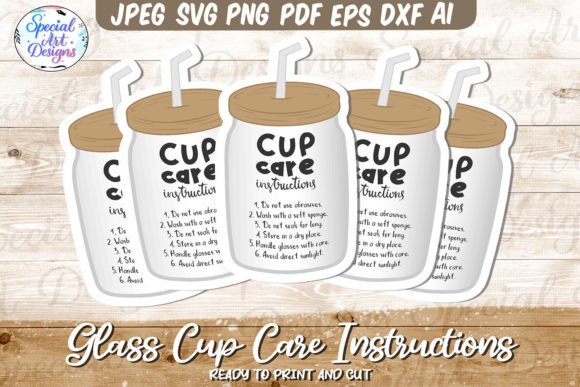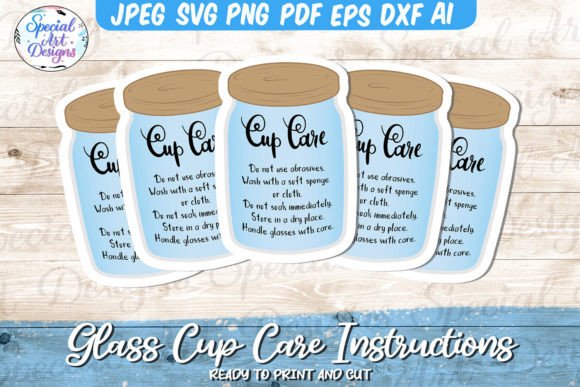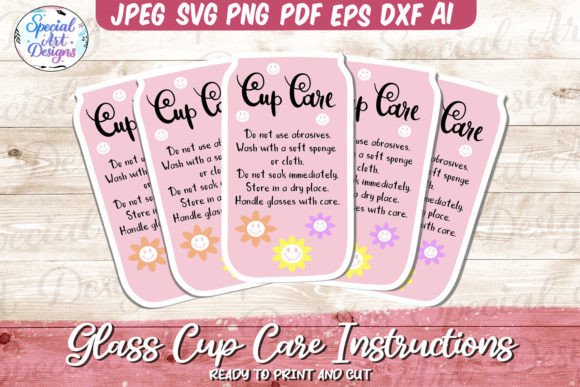
Tulips Printable Glass Cup Care Card – Graphics & Crafts
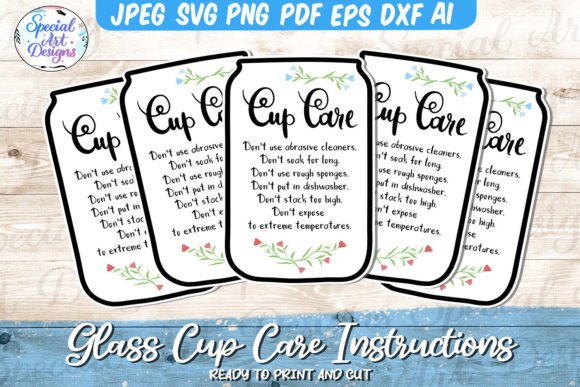
When I first opened the Tulips, Printable Glass Cup Care Card file, I immediately recognized the kind of design asset that makes a content publisher's job easier. The hand-lettered tulip illustration carries a soft, organic warmth that feels both intentional and unforced. It is not trying to be trendy or overly polished in a way that ages poorly. Instead, it lands somewhere between a botanical sketch and a refined lifestyle graphic, which is exactly the sweet spot for editorial content that needs to feel approachable yet curated.
As someone who has spent years designing blog layouts, building visual systems for content websites, and selecting graphic design assets that hold up across multiple publishing formats, I pay close attention to first impressions. This printable care card design creates an immediate mood: gentle, floral, inviting, and faintly seasonal without being locked into a single holiday. The tulips suggest spring, renewal, and handmade care, which opens up a wide range of editorial possibilities for bloggers, newsletter creators, and digital product sellers.
The lettering style deserves a closer look because typography can make or break a design asset in real publishing use. The hand-lettered approach here feels personal and slightly whimsical, which pairs beautifully with lifestyle content, craft tutorials, DIY blog posts, and any brand voice that leans warm and conversational. If your website or newsletter uses a mix of serif body text and handwritten accent fonts, this design will slot into your visual system without friction. It carries the kind of editorial design quality that makes a featured image feel like it belongs on a well-designed magazine page rather than a rushed stock photo overlay.
What kind of content niche does this design naturally support
After spending time with the design at different sizes and on different backgrounds, I can see it working exceptionally well for several content niches. The floral hand-lettering aesthetic makes it a natural fit for lifestyle blogs, wedding content, home and garden websites, DIY craft tutorials, handmade product shops, and any publisher creating content around thoughtful gifting or small-batch crafting. The printable design format also signals that this asset is meant to be used, shared, and incorporated into real products, which matters when you are building a content library of downloadable resources.
For publishers in the crafts space, this design bridges a gap between purely decorative clip art and functional product packaging. The care card format gives it a practical purpose, while the tulip illustration keeps it visually rich enough to use as a standalone blog graphic or social media graphic. I can easily imagine a craft blogger using this as the hero image for a tutorial post about custom glass cup care, or a small business owner incorporating it into their product photography flat lays for Instagram.
The mood is distinctly feminine-leaning and decorative, which works brilliantly for audiences that respond to soft color palettes, botanical motifs, and handcrafted aesthetics. However, it is not so narrowly styled that it excludes broader lifestyle or educational content. A publisher writing about sustainable gifting, eco-friendly kitchen products, or handmade business tips could absolutely make this design feel coherent within their brand identity.
Using this asset in a real blog publishing workflow
Let me walk through how I would actually deploy the Tulips, Printable Glass Cup Care Card in a content publishing workflow. The most obvious use case is creating a downloadable resource or lead magnet for a blog. If you run a content website about handmade products, craft business tips, or DIY gift ideas, offering a beautifully designed printable care card as a content upgrade can significantly increase email signups. The design quality here is high enough that readers will perceive genuine value, which directly impacts conversion rates and reader trust.
Beyond the lead magnet application, I would use this design as a Pinterest pin background. Pinterest remains one of the strongest traffic drivers for lifestyle and craft content, and pins with hand-lettered typography and floral illustrations consistently outperform plain text overlays. The tulip design provides a textured, visually interesting canvas that you can layer with a bold headline in a complementary sans serif or serif font. Test it with a clean sans serif like Montserrat or a classic serif like Playfair Display to see how the contrast shifts the overall mood.
For newsletter graphics, this design works beautifully as a header image or a featured visual in a curated email. The hand-lettered style feels personal and warm, which aligns with the tone many newsletter creators aim for. If you send a weekly digest of craft ideas, product recommendations, or seasonal content, using this tulip design as a recurring visual accent can strengthen category recognition and make your emails more visually cohesive over time.
Another practical use is as a website header or category thumbnail for a blog section dedicated to printables, DIY projects, or product care guides. The design is distinct enough to serve as a visual shorthand for that content category, helping readers navigate your site more intuitively. When I design blog layouts, I always look for assets that can function as both decorative elements and navigational cues, and this tulip care card design fits that dual purpose well.
Visual hierarchy and the click-through potential of editorial graphics
One of the most undervalued aspects of content marketing is the role that visual assets play in establishing visual hierarchy on a page. When a reader lands on a blog post, their eye moves through the page in a predictable pattern, and the quality of your featured image, subheadings, and inline graphics determines whether they stay or bounce. A design like the Tulips, Printable Glass Cup Care Card can anchor a blog post visually, giving the reader a clear entry point and setting an expectation of quality before they read a single word.
From a click-through perspective, this matters enormously. Thumbnails and featured images are often the first interaction a potential reader has with your content, whether they are scrolling through a blog feed, a Pinterest board, or a Google Discover recommendation. A design that feels handcrafted and intentional stands out against the sea of generic stock photography. The tulip illustration and hand-lettering signal that the content behind the image is thoughtfully produced, which can be the deciding factor in whether someone clicks through to read.
I have tested this principle across dozens of content websites, and the pattern holds: editorial design quality directly correlates with longer time on page, lower bounce rates, and higher social share counts. Readers make snap judgments about credibility based on visual presentation, and a cohesive design asset like this one helps you pass that test in milliseconds.
Where the tulip care card design performs at its best
After testing the file across multiple publishing scenarios, I can confidently recommend it for several specific applications. It excels as a hero image for blog posts about handmade products, gift guides, or craft tutorials. The floral illustration provides enough visual interest to fill a wide featured image slot without overwhelming any headline text you layer on top.
It also performs beautifully as a Pinterest pin background, particularly for vertical pins in the standard two-to-three ratio. The hand-lettering and tulip illustration create a natural focal point that draws the eye downward through the pin, which is exactly the visual flow you want for click-through optimization.
As a digital download for a content upgrade, lead magnet, or paid digital product, this design delivers genuine utility. The care card format is practical and immediately usable, which increases the perceived value of the download. For affiliate marketing content, using this design as a visual accent in product roundups or recommendation posts can subtly elevate the overall presentation without distracting from the products being featured.
It also works well as a newsletter header, a social media post graphic, and a decorative element within digital guides or eBooks. The printable nature of the design means you can incorporate it into Canva templates or other design tools that your audience might use, which adds a layer of shareability and usefulness to your content.
Where publishers should use this design carefully
No design asset works everywhere, and being honest about limitations is part of responsible publishing. The Tulips, Printable Glass Cup Care Card has a distinctly decorative and feminine aesthetic that may not translate well to more serious professional niches, corporate content, or websites that rely on a very minimal and austere visual system. If your brand identity is built around bold sans serif typography, monochromatic color schemes, and a sleek modern feel, this floral hand-lettered design will feel out of place.
Small mobile thumbnails also present a challenge. The detail in the tulip illustration and the hand-lettering, while beautiful at full size, can become difficult to read when scaled down to a tiny thumbnail in a related posts widget or a mobile search result. I always recommend testing any graphic design asset at thumbnail size before committing to it as a primary visual element across your site.
Text-heavy blog images are another area of caution. If you plan to overlay a significant amount of text on top of the tulip design, make sure the background areas are light enough and consistent enough to maintain readability. The illustration has some variation in tone and texture, which adds visual interest but can create contrast issues if you place dark text over a busier section of the artwork.
Low-contrast backgrounds in general should be approached carefully. The design reads best on clean white or very light neutral backgrounds, which is typical for printable designs. If your website uses a dark mode or has sections with colored backgrounds, test the design in those contexts before publishing.
Testing the design across fonts, screens, and layout contexts
One of my standard practices when evaluating a new design asset is to test it against multiple typography styles. I placed the tulip care card design next to serif fonts, sans serif fonts, script fonts, handwritten fonts, and display fonts to see how the visual relationships played out. The hand-lettering in the design pairs naturally with other handwritten or script styles, creating a cohesive and personal feel. However, the real magic happens when you contrast it with a clean, geometric sans serif. The tension between the organic floral illustration and the structured typography creates a polished, editorial look that works exceptionally well for blog headers and Pinterest graphics.
With serif fonts, the design takes on a more classic and almost literary quality, which could suit content about vintage crafts, traditional homemaking, or heritage-inspired DIY projects. Display fonts tend to compete with the hand-lettering for attention, so I would reserve those for cases where the display font is used sparingly as a small accent rather than a dominant headline.
Testing on desktop and mobile screens is equally important. The design holds up well on larger screens, where the detail in the tulip petals and the letterforms can be fully appreciated. On mobile, the key is to ensure that any overlaid text remains readable and that the image does not crop awkwardly in responsive layouts. I recommend previewing the design inside a real blog layout, not just as a standalone file, to see how it interacts with your navigation bar, sidebar, and surrounding content elements.
I also tested the design in black and white, which is a quick way to assess whether the tonal range is strong enough to work in print or in accessibility-focused contexts. The linework and lettering hold up reasonably well, though the design unquestionably shines in color where the soft floral tones can do their work.
File size, web performance, and image optimization for publishers
Web performance is not just a technical concern for developers. As a content publisher, every image you add to a page affects load times, Core Web Vitals, and ultimately your search rankings. The Tulips, Printable Glass Cup Care Card is a printable design, which means the source file is likely high resolution and may need compression before being used on a website. I always recommend running blog graphics through an image optimization tool to reduce file size without visibly degrading quality. For web design use, a properly compressed JPEG or WebP version of this design will load quickly and still look crisp on retina displays.
If you are offering the design as a digital download to your readers, keep the high-resolution version for the downloadable file and use a compressed version for the preview image on your blog. This is a small workflow detail that makes a meaningful difference in page speed and user experience.
Commercial licensing and using design assets on monetized content
Before using any graphic design asset on a monetized website, affiliate page, or paid content product, you need to confirm the commercial license terms. This is non-negotiable. Many printable designs are sold with personal use licenses only, and using them on a revenue-generating blog or as part of a paid digital product without the proper license can create legal exposure. I always check the licensing details before publishing, and I recommend that every blogger, affiliate marketer, and small business owner do the same.
Assuming the commercial license is in place, this design can be used across a wide range of monetized content applications. It works as a visual asset in affiliate marketing blog posts, as a decorative element in paid digital guides and eBooks, and as a branding component for small business branding across social media and website properties. The key is to integrate it thoughtfully rather than slapping it onto every piece of content without consideration for visual coherence.
Building a consistent visual identity with repeatable design assets
One of the reasons I gravitate toward designs like the Tulips, Printable Glass Cup Care Card is that they function as building blocks for a larger brand identity. When you find a design asset that aligns with your content niche and aesthetic preferences, you can use it repeatedly across different formats to create a cohesive visual thread. The same tulip illustration that appears in a blog featured image can reappear in a newsletter header, a Pinterest pin, a downloadable worksheet, and a social media carousel. This repetition builds brand identity and makes your content instantly recognizable to your audience.
For creative entrepreneurs and content creators who are building a visual brand from scratch, printable designs like this one offer a cost-effective way to access professional-quality artwork without commissioning custom illustrations. The creative marketplace model has democratized access to commercial design assets, and savvy publishers who curate their visual resources carefully can produce content that looks bespoke and high-end.
The modern design landscape for content publishing has shifted toward authenticity and personality, and hand-lettered floral illustrations fit squarely into that trend. Audiences respond to visuals that feel human-made and intentional, rather than sterile and overly templated. The tulip care card design delivers on that front, with enough polish to look professional and enough character to feel personal.
Final thoughts from a publishing perspective
After thoroughly evaluating the Tulips, Printable Glass Cup Care Card across multiple publishing scenarios, typography pairings, and screen sizes, I can say that it is a genuinely useful graphic design asset for bloggers, newsletter creators, and digital product sellers in the lifestyle, craft, and handmade niches. The hand-lettered tulip illustration brings an editorial quality that elevates content without overpowering it, and the practical care card format adds a layer of utility that purely decorative graphics lack.
For publishers who understand the value of visual consistency and reader trust, this design offers a flexible tool that can be deployed across blog graphics, social media visuals, downloadable resources, and email marketing. It is not a universal solution for every content niche, but within its sweet spot, it performs exceptionally well. Test it thoroughly, compress it properly, confirm your licensing, and then use it with confidence across your content publishing workflow.
The difference between content that looks amateur and content that looks professional often comes down to the creative design choices you make before a reader ever sees your headline. A well-chosen design asset like this one can be the difference between a scroll-past and a click-through, and in the competitive world of content marketing, those small edges add up to meaningful results.