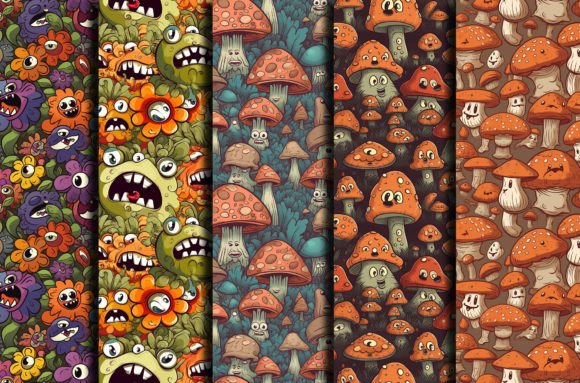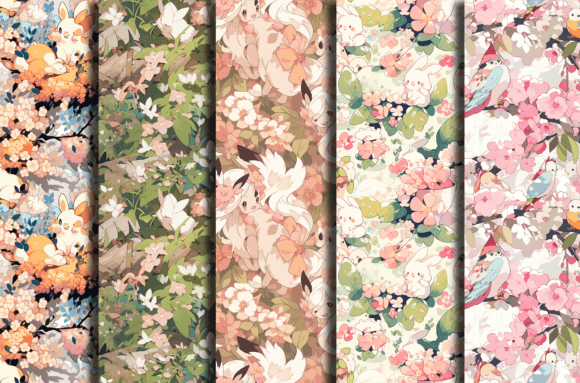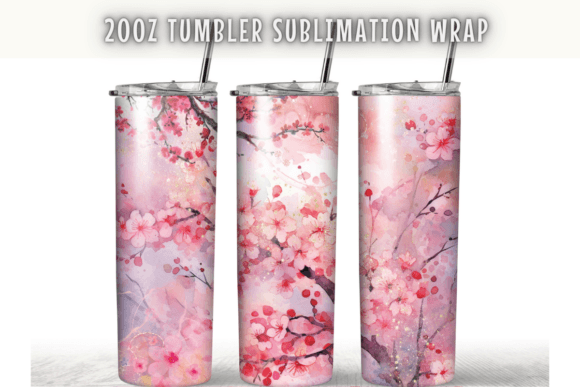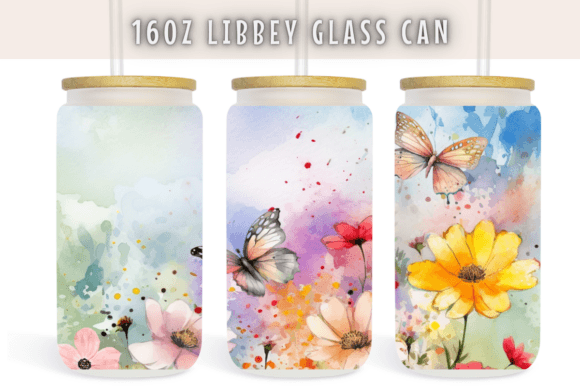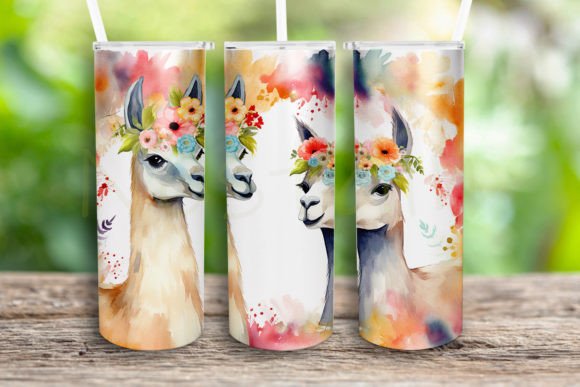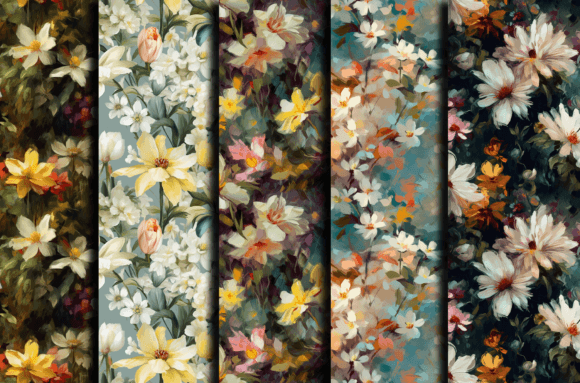
Watercolor Flowers Pattern Spring Bundle
A Designer’s First Glance: Soft, Lively, and Ready for Stitching
Opening the Watercolor Flowers Pattern Spring Bundle feels like flipping open a fresh sketchbook in early April—light, optimistic, and quietly confident. The five designs don’t shout; they bloom. Each one carries that effortless watercolor looseness: soft edges, gentle pigment bleed, subtle layering of petals and stems. No hard outlines, no rigid symmetry—just organic flow. As an embroidery designer who’s stitched hundreds of floral motifs, I immediately sensed how these would translate to fabric: not as stiff icons, but as breathing, hand-painted moments. They’re sized generously (6.8×6.8 inches at 300 DPI), so scaling down for a baby onesie or up for a tote bag feels intuitive—not forced.
Where This Bundle Shines in Real Projects
I tested one motif on a natural linen tea towel—no print, just clean fabric—and stitched it using a medium-density fill stitch with matte cotton thread. The result? A finished product that looked handmade *without* looking labored. That’s rare. The Watercolor Flowers Pattern Spring Bundle excels where authenticity matters: personalized gifts (think “Emma’s First Spring” on a nursery pillow cover), boutique merchandise (a matching set of embroidered aprons and kitchen towels), and small-shop apparel (a single bloom centered on an oversized sweatshirt). It also works beautifully as an embroidered patch—clean vector outlines mean crisp satin-stitched borders, while the inner washes hold dimension without overloading the hoop.
Etsy sellers will appreciate how naturally these designs lend themselves to printable mockups. Drop one into a flat-lay photo of a canvas tote or a folded baby blanket, and it reads as warm, seasonal, and premium—no extra styling needed. For craft fair vendors, this bundle adds instant cohesion: use one motif across tea towels, patches, and greeting cards, and your booth tells a quiet, consistent story.
Where to Proceed Thoughtfully
That watercolor softness is gorgeous—but it’s not universally forgiving. On dark fabrics, especially heavy cotton or textured terry cloth, fine pigment gradients can mute or disappear unless you adjust stitch density and underlay. I recommend testing contrast with thread colors first: a pale lavender bloom may vanish on navy unless backed with white stabilizer or stitched with a light-toned underlay. Similarly, on stretchy knits (like baby bodysuits or lightweight tees), the lack of hard outlines means registration must be precise—any slight shift blurs the delicate edges. Use cutaway stabilizer, not tear-away, and hoop firmly.
Small hoop sizes (4") require editing: some motifs include fine tendrils or overlapping stamens that won’t resolve cleanly below 3.5 inches. Don’t force it—scale thoughtfully or choose the simpler of the five designs for caps or curved surfaces. Also, avoid dense fill areas on thin fabrics like voile or chambray unless you’ve confirmed stitch count (check your digitizer’s notes or run a test). Over-stitching here leads to puckering, not polish.
What It Adds to Your Finished Product—Beyond Pretty
This isn’t just decoration—it elevates perception. A customer receiving a tote bag with a Watercolor Flowers Pattern Spring Bundle motif doesn’t just see “embroidery.” They feel intention: care in color choice, respect for texture, attention to seasonality. That builds trust. For craft businesses, that translates to repeat buyers and word-of-mouth referrals. For holiday or wedding gifts, it adds heirloom warmth—this isn’t clipart; it’s design with breath and movement. And because the SVG files are truly vectorized (not traced PNGs), resizing for digital product previews or branding assets stays sharp, supporting cohesive shop identity across Etsy banners, social posts, and packaging labels.
Practical Notes from the Hoop
- Always stitch a test piece—on scrap fabric matching your final project’s weight and stretch.
- Check thread color contrast before stitching the full run, especially on mid- or dark-toned fabrics.
- Review stitch density: high-fill areas may need reduced density or alternate stitch types (e.g., seed stitch instead of solid fill) on delicate fabrics.
- Confirm hoop size compatibility—some motifs approach 6.5", so verify your machine’s max hoop capacity.
- Inspect small details in the vector files: look for stray anchor points or overly tight curves that could snag during digitizing.
- Test black-and-white mockups to ensure visual balance if offering monochrome versions.
- Compare light vs. dark backgrounds in your design software—what reads softly on ivory may read muddy on charcoal.
- Use appropriate stabilizer: cutaway for knits, tear-away for stable wovens, and water-soluble for sheer layers.
- Verify licensing before selling finished items or reselling digital files—this bundle includes PNG and SVG graphics, but commercial use rights must be confirmed with the creator.
Final Thought: A Quietly Versatile Asset
The Watercolor Flowers Pattern Spring Bundle doesn’t try to do everything. It does one thing exceptionally well: offer embroidery designers, craft business owners, and makers a set of floral motifs that feel both contemporary and timeless—soft enough for baby embroidery, bold enough for custom apparel, detailed enough for boutique branding, and flexible enough for digital product previews or printed collateral. It’s the kind of design asset that makes clients pause, smile, and say, “I want that on everything.” Not because it’s flashy—but because it’s thoughtfully made, visually honest, and ready to become part of something real.